Coming soon: a return to the Gobi, new dino illustrations, and historical archives
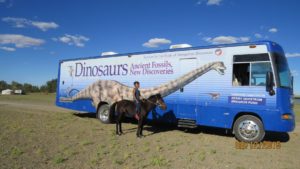
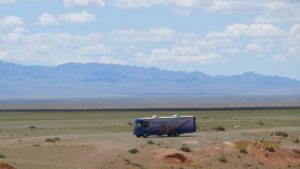
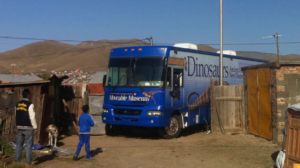
The summer of 2016 is shaping up for the Flaming Cliffs project. Three exciting developments are in the works: The Moveable Museum...
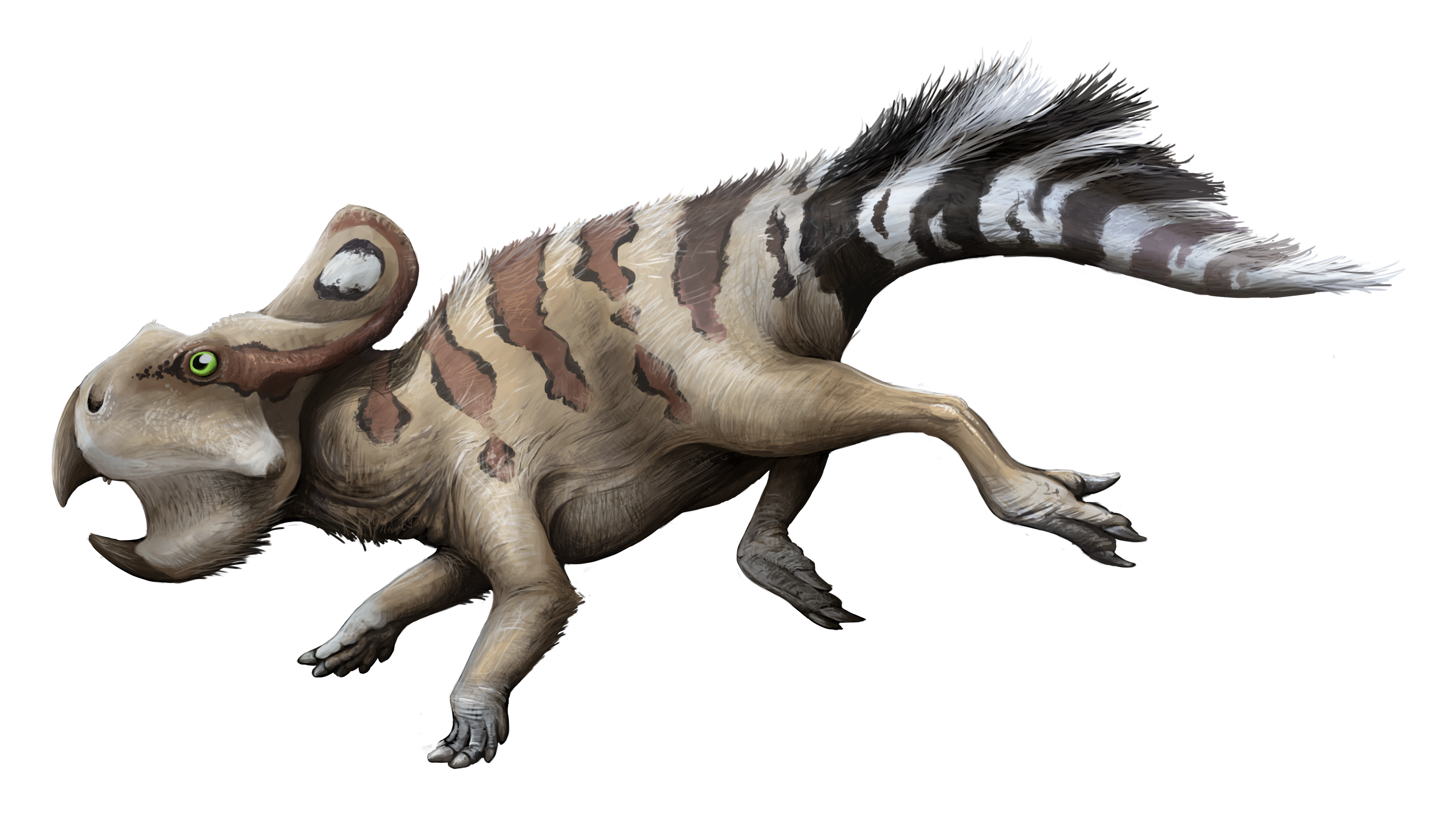
Protoceratops was the first dinosaur discovered by western scientists Mongolia, at the Flaming Cliffs in 1922. With a beak like a bird but a body with four legs, it may have been found by ancient travellers and interpreted as the legendary griffin. Although its beak may look sharp like an eagle’s, it ate plants and was closer in size to a sheep than a lion.

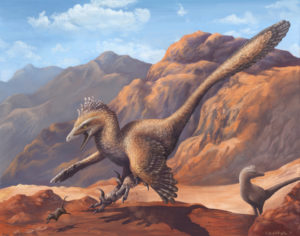
Velociraptor, the sharp-clawed predator who starred in the Jurassic Park films, was first discovered at the Flaming Cliffs in the Mongolian Gobi Desert. Scientists now know that it was feathered, and they believe it hunted Protoceratops–not people. It was two meters from head to tail and stood roughly knee high to an adult human.
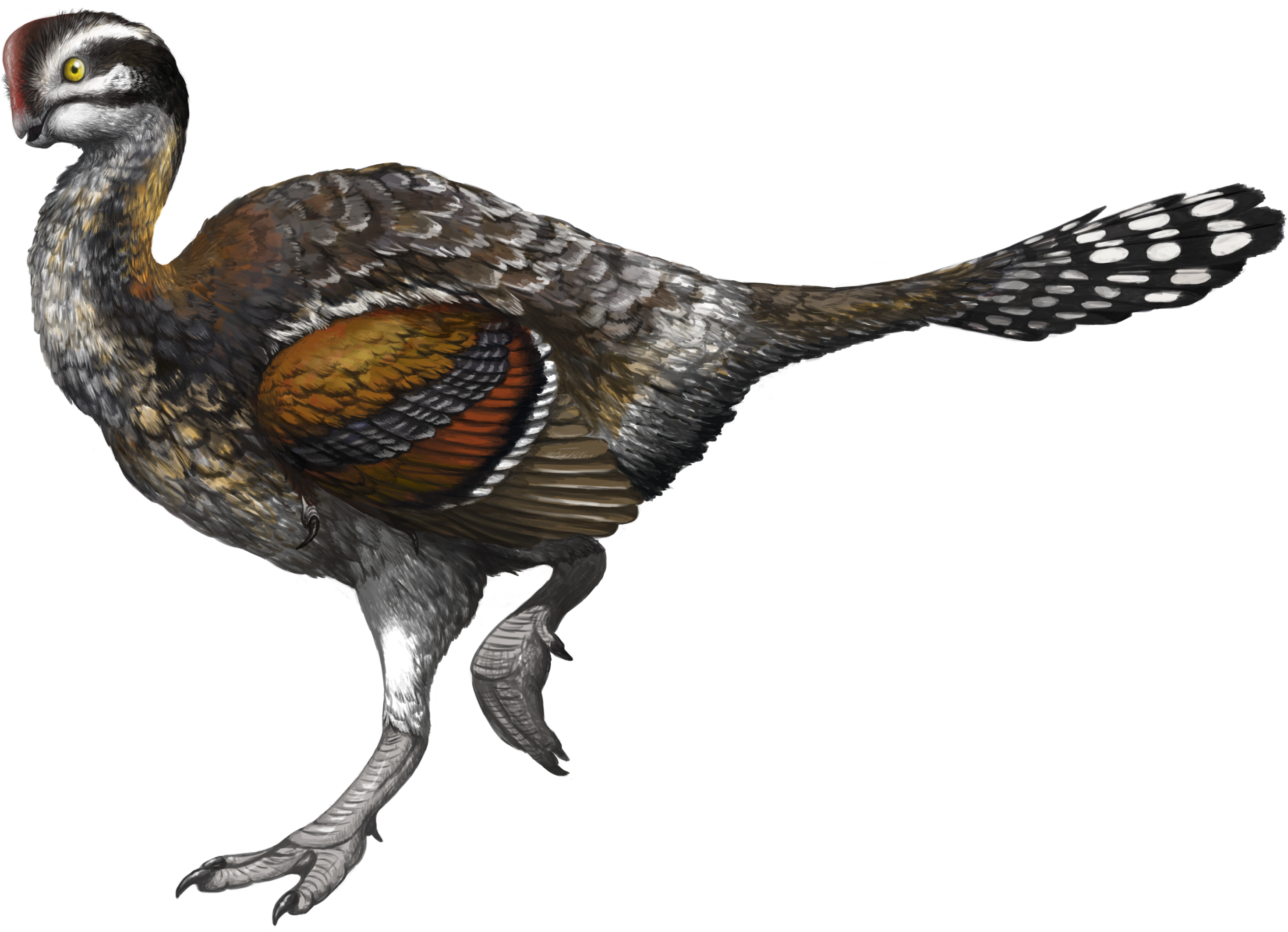
Oviraptor’s name means “egg stealer” because the first one ever found–at Mongolia’s Flaming Cliffs–was fossilized with a nest of eggs. We now know that the eggs were actually its own, and it was just being a good parent. Oviraptors came to the area to build their nests and hatch their young.
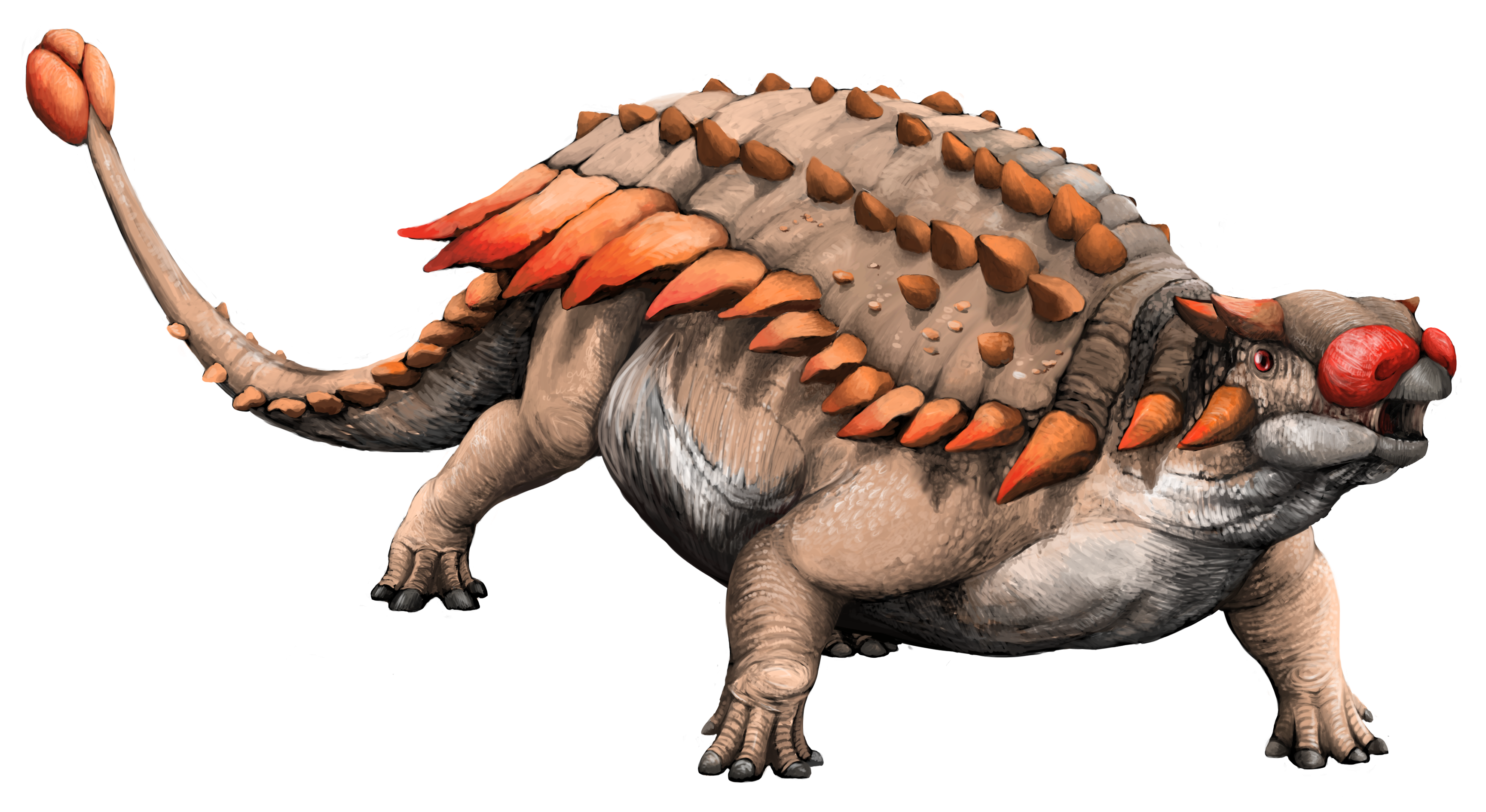
Weighing two tons and covered with spiky armor, Pinacosaurus was a formidable herbivore. The first one known to modern science was found at Mongolia’s Flaming Cliffs in 1923. This dinosaur may have used its bony tail club as a defensive weapon against predators.
The summer of 2016 is shaping up for the Flaming Cliffs project. Three exciting developments are in the works: The Moveable Museum...
Originally published in The Futurist Naturalist in August 2015. Written by Thea Boodhoo. Light fades across the desert landscape as I...
Short Summary: Mongolia is known across the world for the amazing dinosaur skeletons found from its Gobi Desert. Skeletons of...